
Hippophae rhamnoides (Sea Buckthorn, Seaberry)
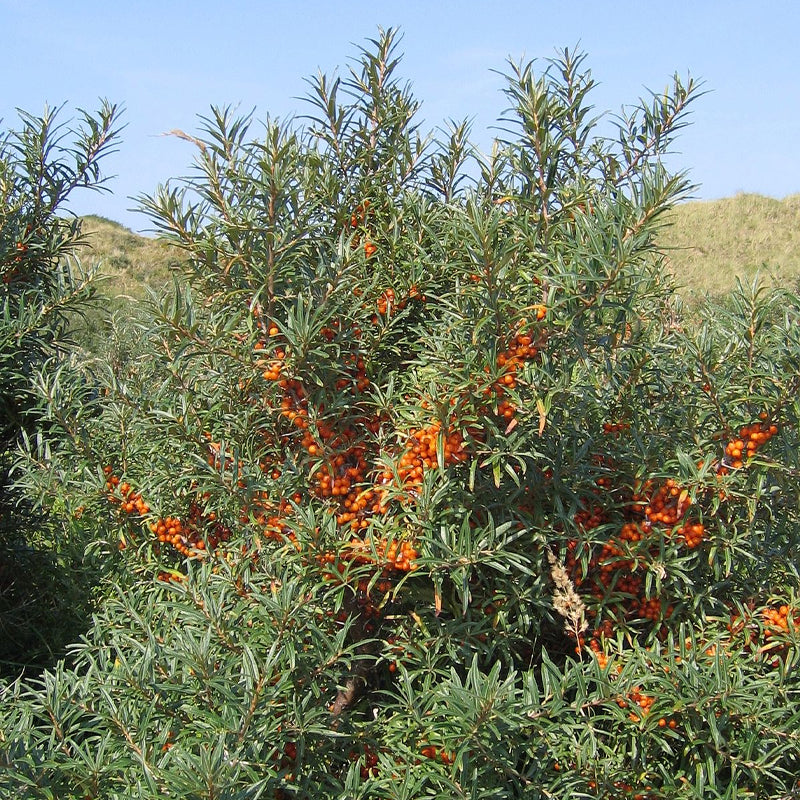

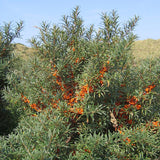



Hippophae rhamnoides (Sea Buckthorn, Seaberry) is a deciduous shrub that belongs to the Elaeagnaceae family. It is native to Europe and Asia and is known for its nutritional and medicinal properties, as well as its ornamental value.
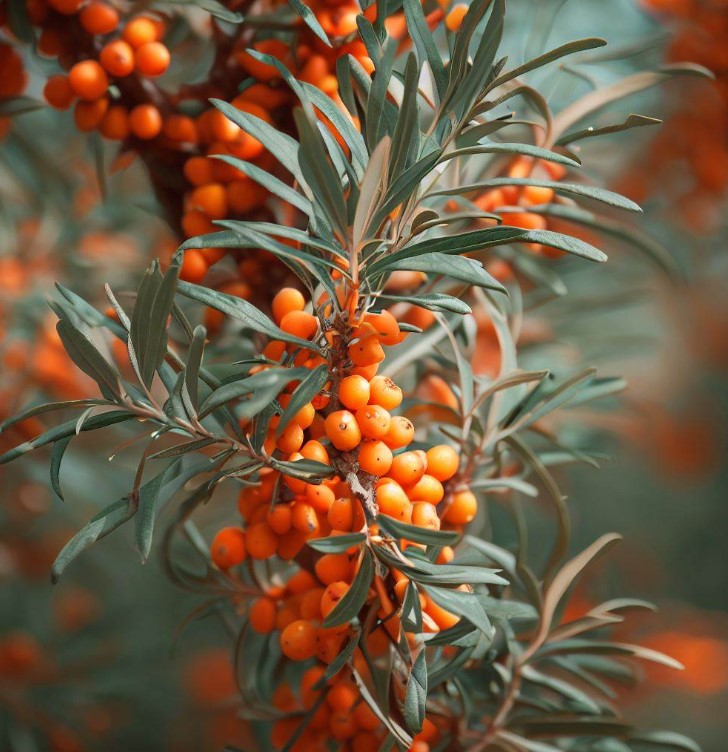
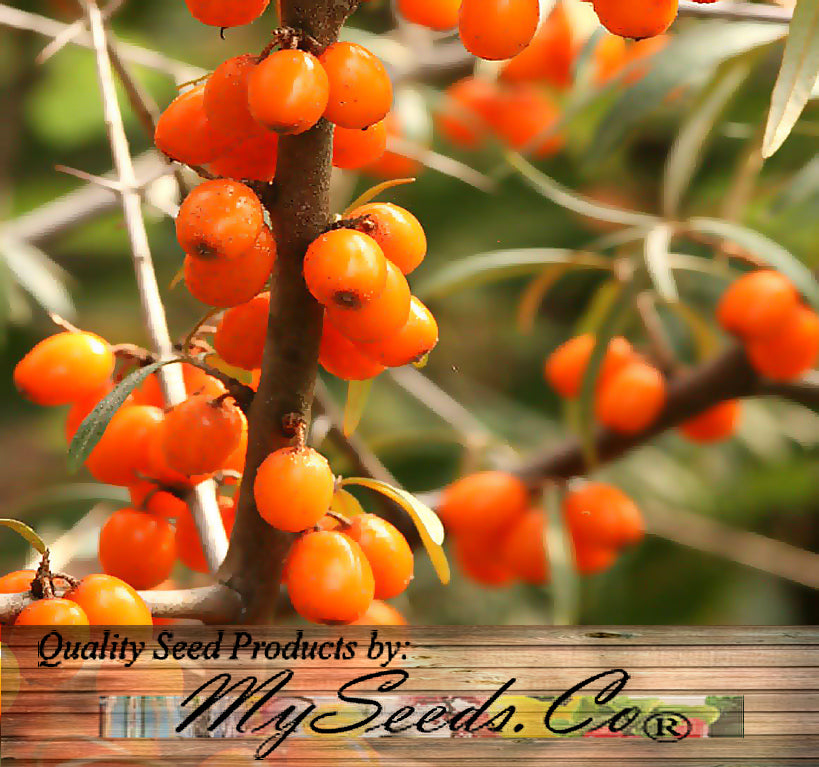
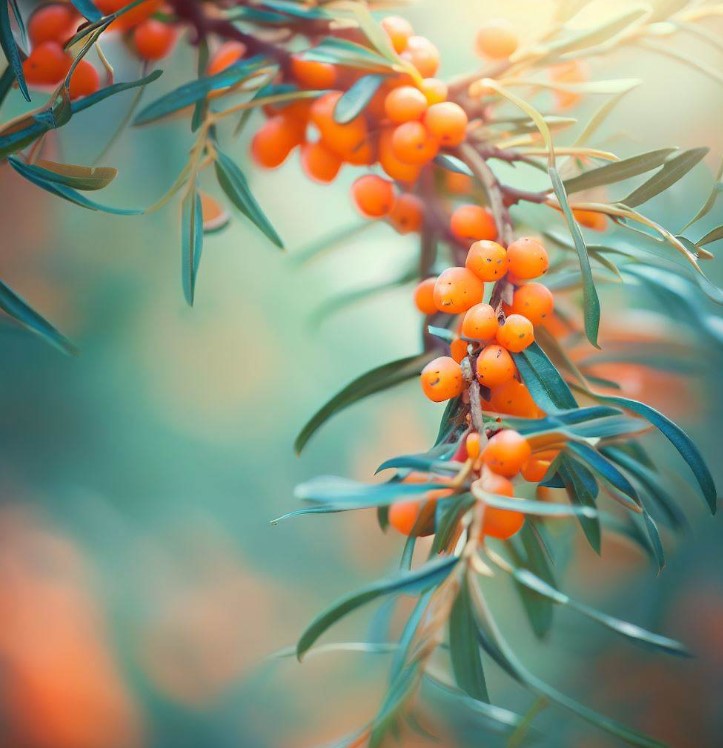
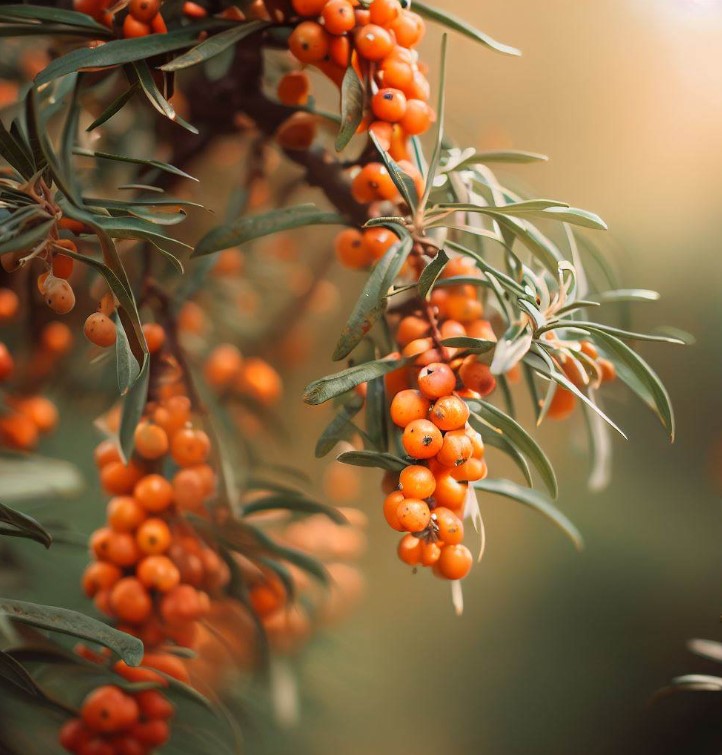
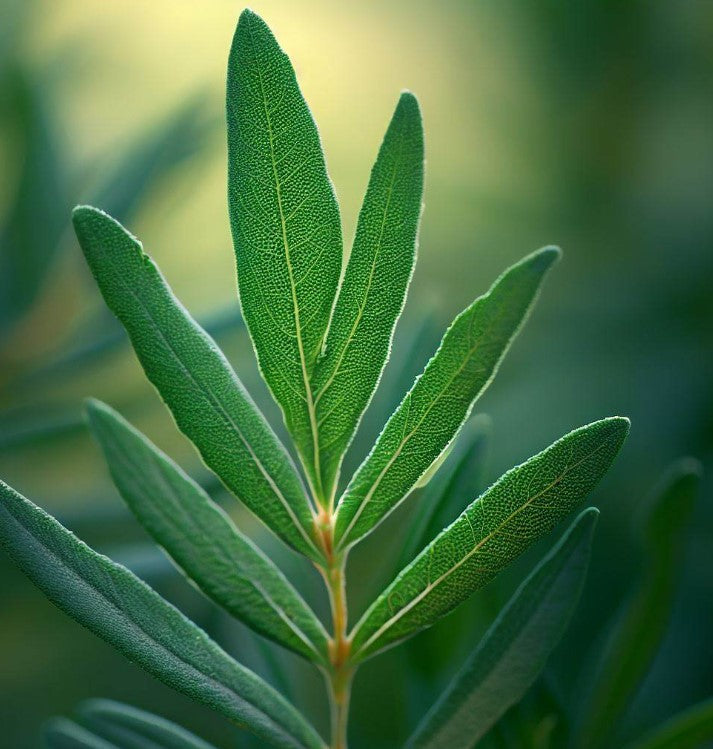
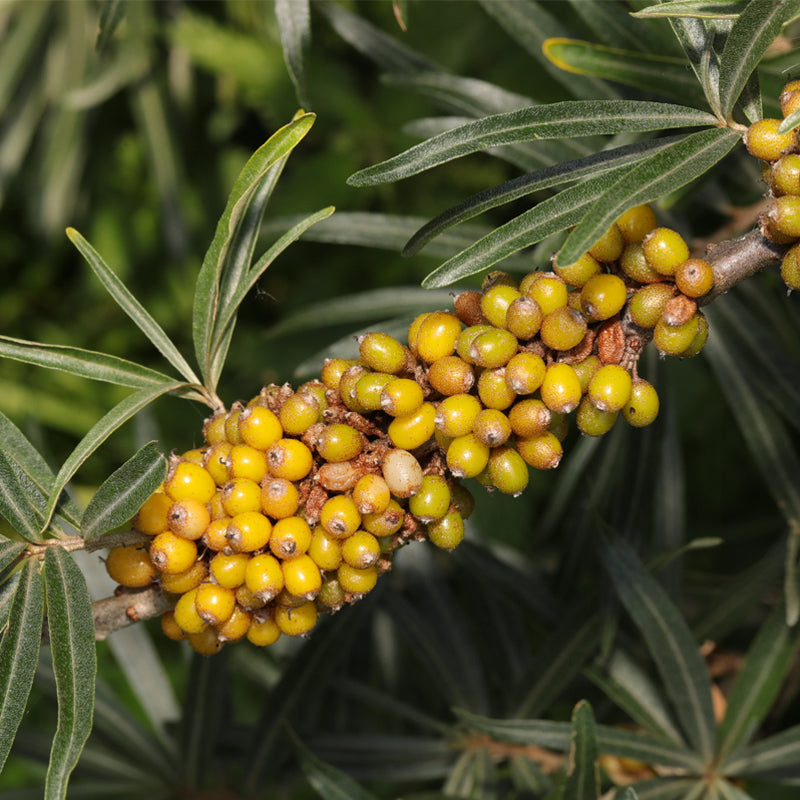
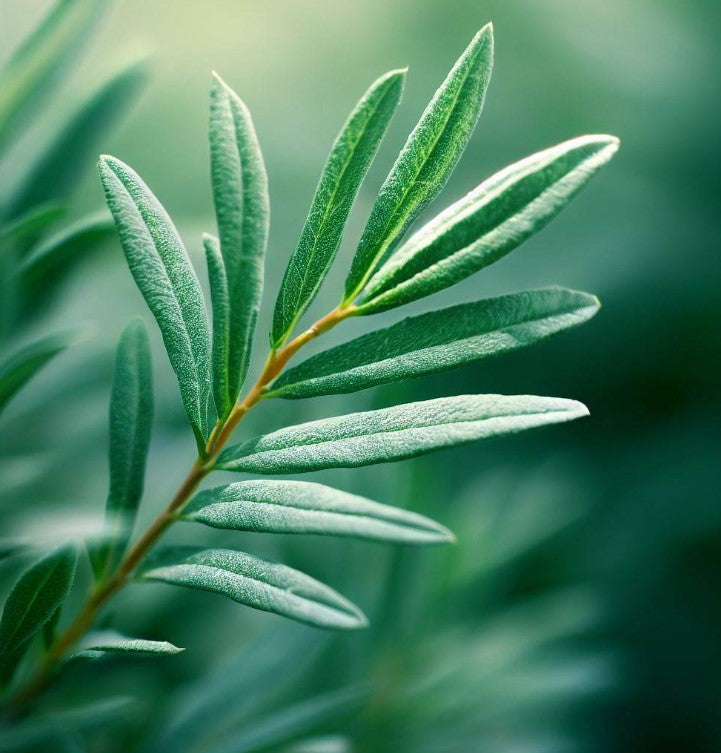
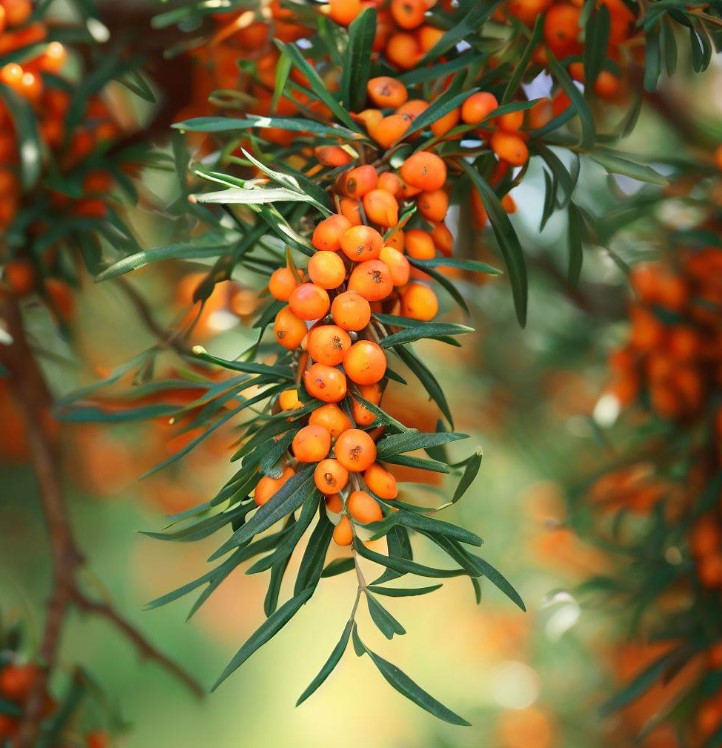
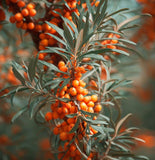
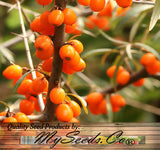
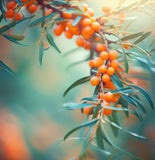
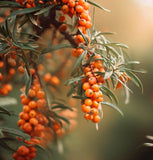
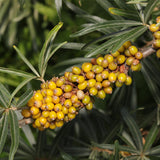
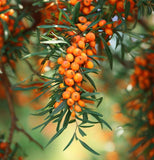
Size and Appearance: Sea Buckthorn is a medium-sized shrub that typically grows to heights of 2-4 meters (6-13 feet). It has a dense, bushy habit with numerous thorny branches. The leaves are narrow, lanceolate, and silvery-green in color, creating an attractive contrast against the bright orange fruit.
Flowers: Sea Buckthorn produces small, inconspicuous flowers that are yellowish or greenish in color. The flowers are dioecious, meaning that male and female flowers are borne on separate plants. The male flowers are borne in clusters, while the female flowers are solitary. The flowers bloom in spring.
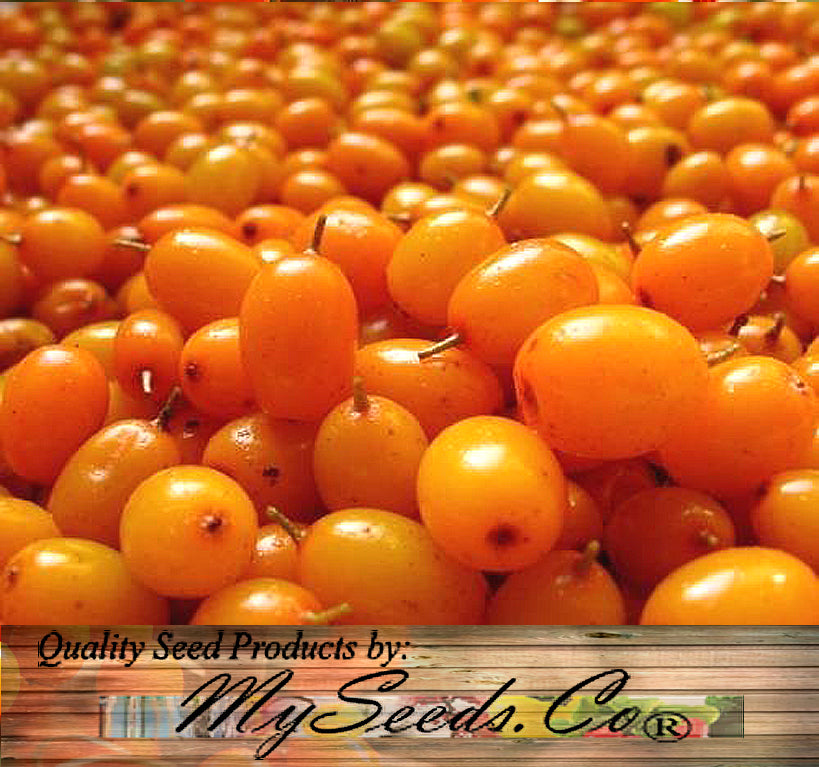
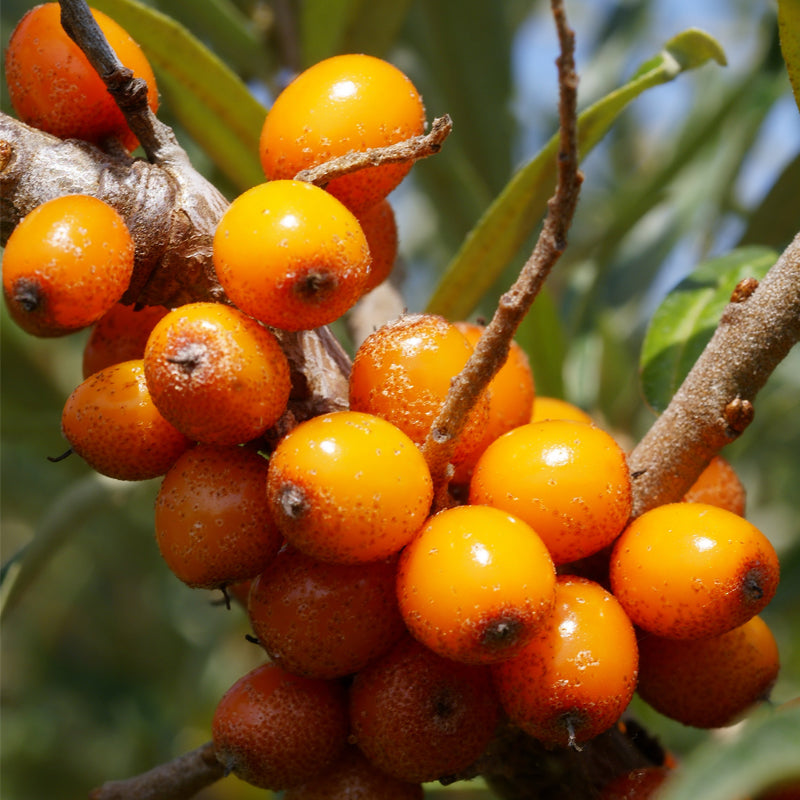
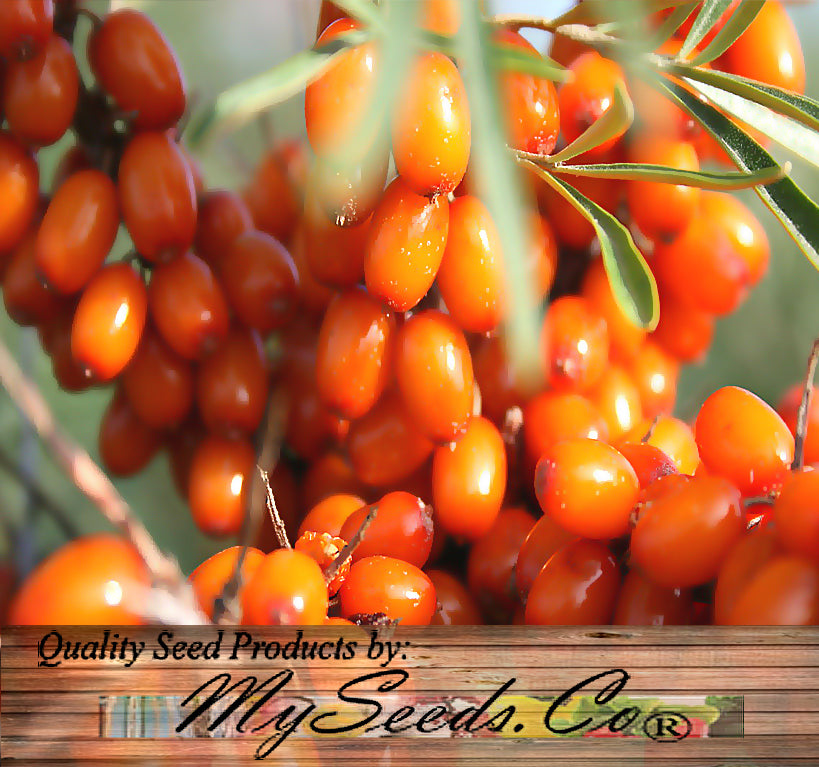
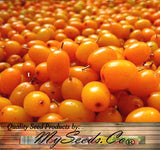
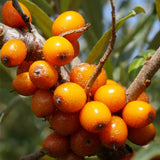
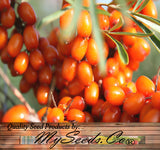
Fruit: The fruit of Sea Buckthorn is the most notable feature of the plant. The berries are small, round, and bright orange in color. They are rich in nutrients, including vitamins C and E, carotenoids, and flavonoids. The fruit has a tart and tangy flavor and is often used in juices, jams, sauces, and other culinary preparations.
Adaptability: Sea Buckthorn is highly adaptable and can thrive in various conditions. It is known for its tolerance to poor soils, including sandy or rocky soils. It is also tolerant of salt spray and can grow in coastal areas. The shrub prefers full sun but can tolerate partial shade.
In landscaping, Sea Buckthorn is valued for its ornamental appeal, especially when the bright orange berries are present. It can be used as a hedge, windbreak, or specimen plant in gardens and landscapes. The shrub's ability to fix nitrogen in the soil also makes it beneficial for soil improvement.
Please note that Sea Buckthorn seeds will grow true to the species, meaning they will reliably produce Hippophae rhamnoides plants. However, seed-grown plants do not grow true to a specific cultivar or named variety. Cultivar characteristics such as fruit size, flavor, yield, and growth habit can vary because Sea Buckthorn is naturally cross-pollinated. Named cultivars are preserved only through vegetative propagation (such as cuttings).
Additionally, Hippophae rhamnoides is a dioecious species, meaning male and female flowers occur on separate plants. Seeds themselves are not male or female, and the plant’s sex cannot be determined at the seed or seedling stage. Sex becomes identifiable only once plants mature and flower, typically after several years. As a result, seed-grown plants usually produce a mix of male and female individuals.
If your goal is guaranteed fruit production or a specific cultivar, established plants or cuttings of known sex are recommended. Seed propagation is ideal for restoration plantings, breeding, or growing genetically diverse plants.
Botanical Name : Hippophae rhamnoides
Common Name : Sea Buckthorn
Height : 7- 13 ft
Spread : 7 ft
Germination Info : Seed requires 90 days cold moist stratification
Hardiness zone : 3-7
Average seed per ounce : Approx. 2500