
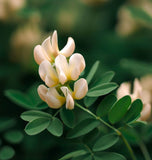
Astragalus membranceus (A. mongholicus, Huang Chi, Milk Vetch, Mongolian Milkvetch)


Astragalus membranceus (A. mongholicus, Huang Chi, Milk Vetch, Mongolian Milkvetch) is a perennial flowering plant in the legume family (Fabaceae), native to northern China, Mongolia, and Korea.
Key characteristics
Growth habit: Upright, clump-forming perennial, typically 16–36 inches (40–90 cm) tall Leaves: Pinnate, with 12–18 pairs of small, oval leaflets that give the plant a soft, feathery appearance
Flowers: Pale yellow, pea-like blossoms borne in dense clusters during late spring to early summer
Roots: Thick, fibrous, and yellowish inside—this is the most valued part of the plant Soil & climate: Prefers well-drained soils and full sun; tolerant of cold and drought once established Cultural and historical significance
Astragalus membranaceus has been used for over 2,000 years in traditional Chinese medicine. The dried root is traditionally regarded as a tonic herb, associated with supporting vitality and resilience.
Modern interest Today, it is widely studied and cultivated for its polysaccharides, flavonoids, and saponins, which have made it a subject of research in immune health, inflammation, and stress response. Garden and agricultural notes Fixes nitrogen in the soil, benefiting nearby plants
Long-lived perennial when grown in suitable conditions Primarily cultivated for its root, which is typically harvested after 3–5 years
Botanical Name : Astragalus membranceus, A. mongholicus
Common Name : Huang Chi, Milk Vetch, Mongolian Milkvetch
Height : 24-48 inches
Spread : 12-24 inches
Germination Info : Seed benefit from pre-treatment, including cold stratification (often ~3 weeks), scarification, and/or soaking to break dormancy
Hardiness zone : 5-9
Average seed per ounce : Approx. 5,000